
News
How mobility parking misuse affects Kiwis
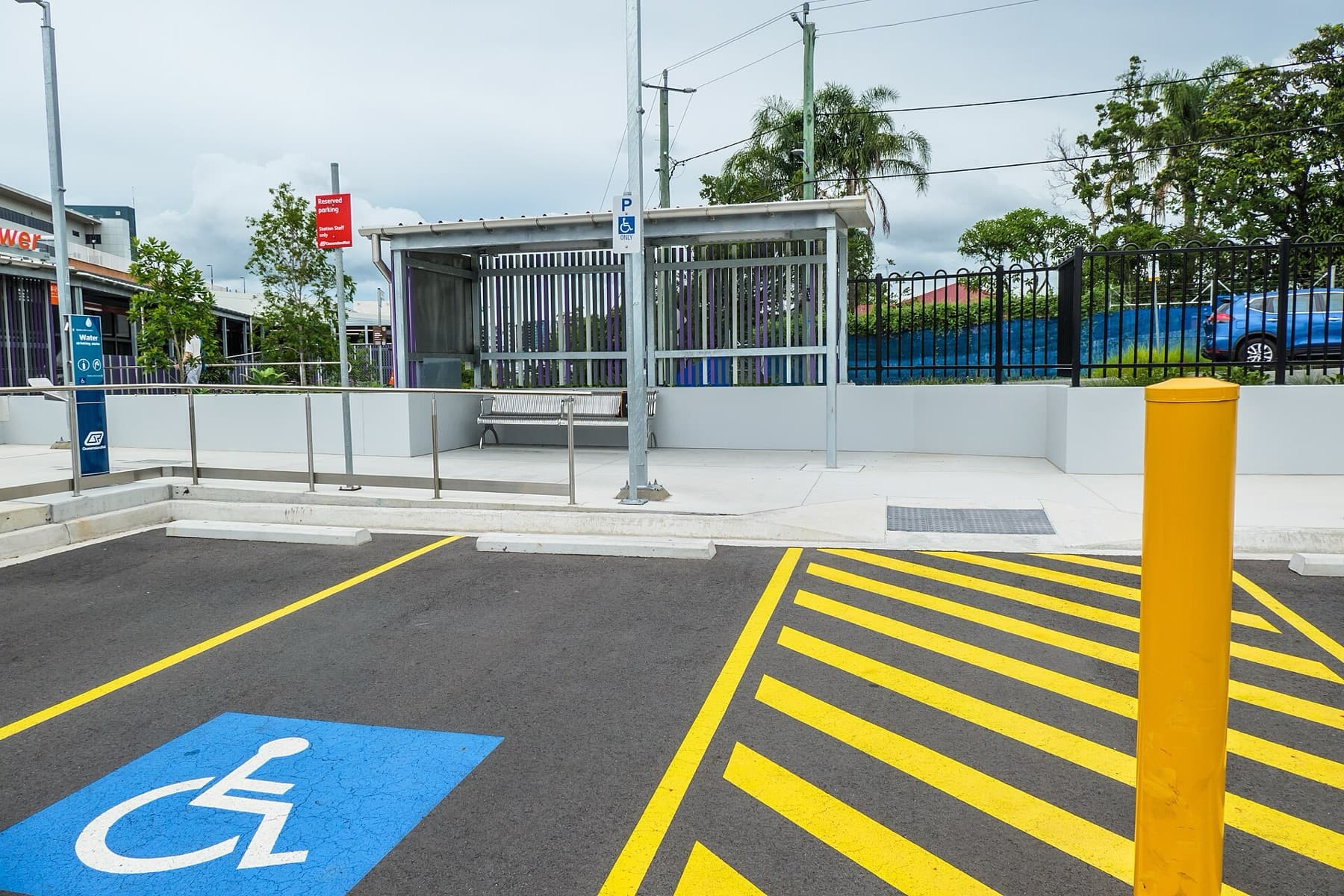
Around 180,000 New Zealanders hold a mobility parking permit, a number CCS Disability Action says is rising as the population ages. For each of them a mobility park is not a convenience. It is often what decides whether a trip to the supermarket, the doctor or the bank can happen at all.
How often it happens
When CCS Disability Action commissioned Research New Zealand to watch how mobility parks are actually used, 31% of the people parking in them had no current permit. Most of those drivers had no mobility impairment, and almost half of them, 47%, stayed for less than five minutes.
In the survey that ran alongside it, 17% of people with no mobility impairment said they had used a mobility park in the past year. Most people agreed it is never acceptable, but one in five could describe a time when they thought it was. The reasons were familiar: an emergency, only for a short time, or because the car park was quiet.
Why a few minutes matters
A short stop feels harmless to the person making it. To a permit holder who arrives in those few minutes, the park is simply taken. Mobility parks are wider and closer to the door for a reason: there has to be room to open a door fully or unload a wheelchair, and a short, safe way inside. When the park is gone, the next nearest space is often no use.
Juliana Carvalho of Access Matters Aotearoa put it this way on TVNZ’s Breakfast in June 2025:
When you take that space without needing it, you are blocking the ability for someone else to participate in society.
She described a mobility park as a “doorway to equity”, not a privilege.
Rarely any consequence
The same research found that only 3% of the drivers parked without a permit had been ticketed. In October 2024 the fine for public mobility parks rose from $150 to $750, the first change since 2008. Eight months later, CCS Disability Action, which runs the national permit scheme, said misuse was still widespread.
Many of the parks people rely on most are not public at all. They are in privately owned car parks at supermarkets, malls and medical centres, where enforcing the rules is up to whoever owns or leases the property. The research singled out supermarket car parks as a place where misuse is a particular problem.
That gap is the one Canary works in. We monitor mobility parks for the businesses that own them, so the space is free when a permit holder arrives. See how Canary works with businesses and facilities.
Sources
- CCS Disability Action: Research on the general public’s opinions and misuse of mobility parks (Research New Zealand)
- 1News: People misusing mobility carparks shows ‘lack of respect’ (11 June 2025)
- CCS Disability Action: Major increase in mobility parking abuse fine a win for 170,000 Kiwis (29 August 2024)