
News
Mobility parking misuse isn’t going away. Here’s what we’re doing about it.
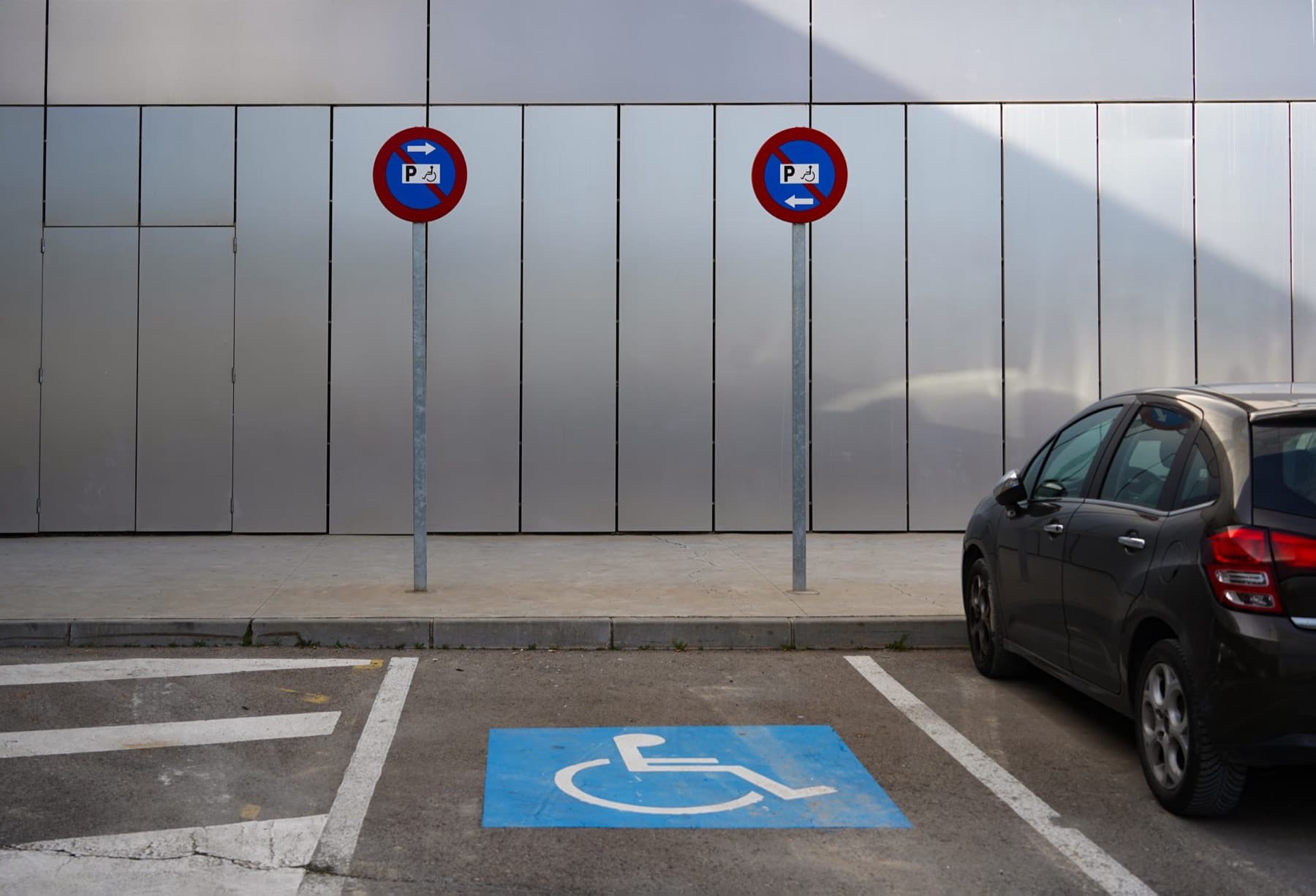
In October 2024 the fine for parking in a public mobility park without a permit rose from $150 to $750. Disability advocates had asked for it for years, and CCS Disability Action called it a win for the 170,000 people then using the mobility parking scheme.
A bigger fine has not fixed it
Eight months on, 1News reported CCS Disability Action saying misuse was still widespread. Whangārei District Council had issued 214 infringements in the eight months after the change, up from 158 in the eight months before it.
Juliana Carvalho of Access Matters Aotearoa told the programme the fine itself is now high enough. What is missing, she said, is enforcement and better public education. Without those, a bigger fine “just looks like a revenue grab”.
Canary’s founder, Tim Andrews, made the same point in that report: the problem is resourcing. He put a driver’s chance of being caught at about 3%, “if that”.
Where the fine does not reach
The higher fine applies to public parking. As The Press reported when it came in, disability groups said that leaves the main problem untouched, because so many mobility parks are on private land: supermarkets, shopping centres, medical centres. There, enforcement is up to the owner, and few owners have staff to spare for standing in a car park challenging drivers.
What Canary does
Canary works with the businesses and facilities that own those car parks. We put up clear signage and install cameras that cover the mobility parks. A person reviews every potential breach before a notice is issued, and we handle the notices, payments and appeals. A permit holder who forgot to display their permit can appeal, and a valid appeal is waived.
The service is free for the business, because Canary is funded by paid breach notices. At our first monitored site, average misuse fell from around 70% to around 20% within three months, and the number of permit holders using the parks each day rose from 31 to 95. Read the case study.
For every breach that is paid, $50 goes to our charity partners. Meet the partners.
What you can do
- Know a car park where mobility parks are regularly misused? Suggest a location and we will look at whether Canary can help.
- Own or manage premises with mobility parks? Request a free site assessment.