
News
Seen someone parked in a mobility park without a permit? Here’s what to do.
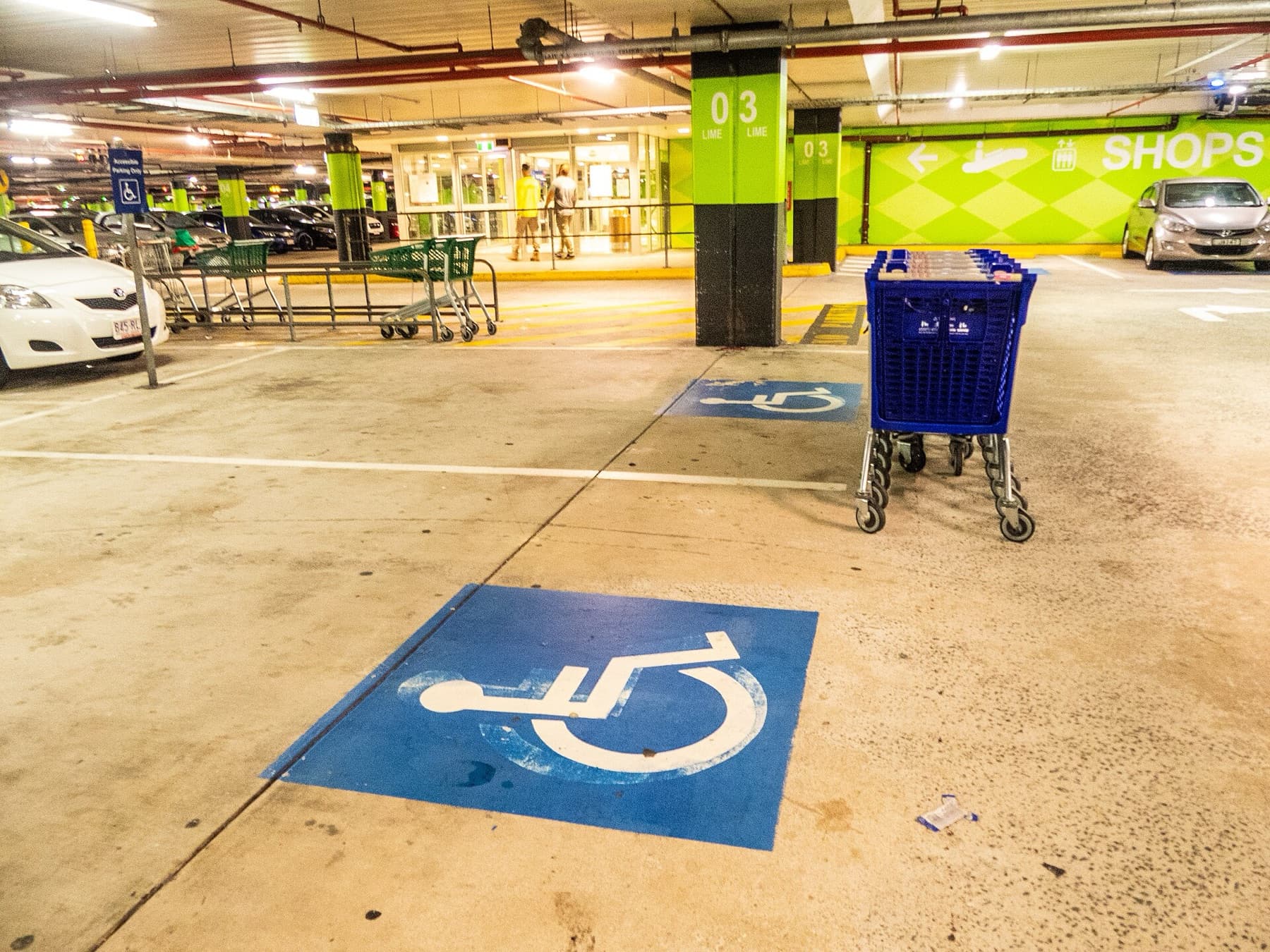
It is frustrating to watch someone pull into a mobility park and jog into the shop. Here is what helps, and what doesn’t.
First, look for a permit
A mobility parking permit is displayed inside the vehicle, and it belongs to the person, not the car. Many conditions that make a permit necessary can’t be seen, so the way someone looks or walks tells you very little. If a permit is displayed, there is nothing to report.
Leave the confrontation out of it
Challenging a driver rarely changes what they do next time, and it can turn unpleasant quickly. You also may not know the whole story. It is better to tell someone who can act.
On a street or in a council car park
Public mobility parks are enforced by the local council, and the fine for using one without a permit is $750. Most councils take reports by phone or through their website.
In a private car park
At a supermarket, mall or medical centre the car park belongs to the business or the centre, and enforcing its mobility parks is up to them. Let the customer service desk or centre management know, especially if you see it often. A business is more likely to act when it hears about it from customers.
If it keeps happening at the same place, suggest the location to Canary. We look at every suggestion and, where a site is a good fit, approach the business about monitoring its mobility parks. Tell us about the place rather than the person: we don’t need number plates or photos of drivers.
And if it is ever you
Research commissioned by CCS Disability Action found that almost half of the drivers using a mobility park without a permit stayed less than five minutes. “Just a minute” is the most common reason there is, and it is exactly when a permit holder turns up and finds the park taken. Here is what that costs the people who rely on them.